MetaTrader 4 Never Left Turkish Traders’ Desktops Despite Newer Options
Car or phone brand loyalty is rarely debated with the same ferocity as software loyalty, but among Turkish retail traders there is a stubborn attachment to a platform that technically dates back to before the smartphones that most of them now use to check their positions. While newer competitors have emerged with slicker interfaces and more capabilities, MetaTrader 4 was launched years ago and remains the default choice for a surprising number of traders in Istanbul, Ankara, and other smaller regional hubs. That persistence reflects the way trust is built in financial tools, often through long-term familiarity.
Many longtime traders who began before the advent of mobile trading applications see no compelling reason to abandon a system they know thoroughly for one offering only marginal improvements. There are many who rely on custom indicators built over the years that work well in MetaTrader 4 and do not see the point of porting them to newer platforms. After years of fine-tuning, this deep customization results in switching costs that go far beyond habit.
The attachment is supported by trading academies throughout Turkey, where curriculum inertia has left many instructors teaching from the platform they learned on, passing it down to new generations of students. Workshop materials, tutorials, and practice exercises built around MetaTrader 4 years ago would require substantial rebuilding to shift to a different platform, an effort that feels unjustified when the current system still works well for teaching. Educational content has a tendency to outlive the platforms for which it was originally planned, and that inertia is more significant than people realize.
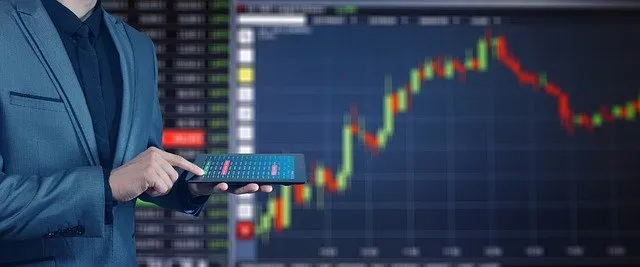
Image Source: Pixabay
This preference has not escaped the notice of brokers operating in the Turkish market, who continue to support the platform strongly while advertising newer options to attract other segments of traders. Support tickets for older software reportedly continue arriving daily at many brokerages, indicating a user base with no immediate plans to migrate despite marketing efforts promoting supposedly superior alternatives. This creates a tension in which companies maintain legacy infrastructure because abandoning it would alienate a loyal and vocal segment of their client base, even though further development offers little commercial incentive to justify the ongoing support costs involved.
Turkish trading culture shows the same pattern across community forums. There are discussion threads where users are troubleshooting configuration issues or sharing custom scripts written specifically for this older system, with far fewer conversations migrating to newer platforms. There’s a body of knowledge that’s built up over years, around that particular software, and that expertise is almost like infrastructure, difficult to replicate quickly elsewhere. Usually, experienced traders will guide new traders to the same platform, as they know the ins and outs of it.
The question is whether this attachment will stand the test of time, particularly as new generations of traders come into the market with different expectations of interface design and mobile functionality. The longevity of the platform on Turkish desktops is proof of how well-rooted some tools become when communities gather years of experience, learning material and personal customization around them. So replacement is a much higher hurdle than simple feature comparisons would imply.

Comments