How to Plan an FX Trade Before Opening a Position
Planning often receives less attention than execution, yet it is usually where the quality of a trade is decided. Many traders spend considerable time searching for the perfect entry while giving far less thought to what happens after the order is placed. Before opening an FX Trade, the most valuable decisions have often already been made.
That may sound counterintuitive.
One unexpected observation is that experienced traders frequently spend more time deciding not to enter a position than preparing to enter one. Waiting for the right conditions can require far more analysis than pressing the buy or sell button.
The Market Should Provide the Reason
Consider the hours before a scheduled interest rate announcement from the European Central Bank.
EUR/USD has been trading within a narrow range all morning. Technical indicators suggest a possible breakout, but the policy decision is less than an hour away. Opening a position before the announcement may expose the trade to sudden volatility that has little to do with the original analysis.
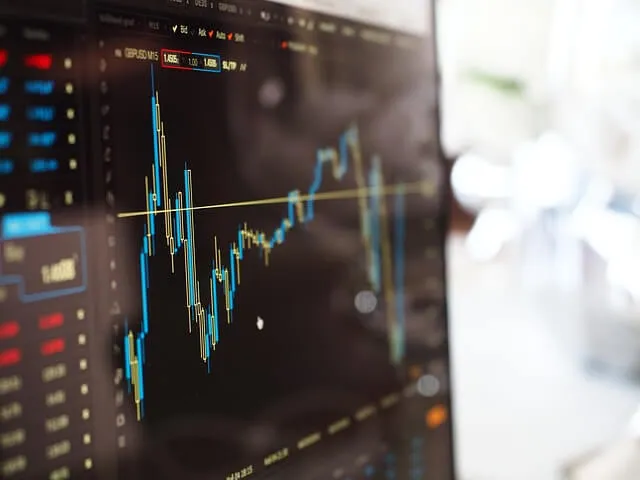
Image Source: Pixabay
Some traders decide to wait.
The setup itself has not disappeared. The timing simply no longer supports the original idea.
That decision may never appear in a trading journal as a winning trade, yet it can be one of the most valuable choices made during the week.
Every Trade Needs Answers Before It Begins
According to the CFA Institute, investment decisions tend to become more consistent when they follow a structured process rather than emotional reactions.
The same principle applies to trading.
Before opening a position, many experienced traders already know the answers to several important questions:
- Why does this setup meet my trading criteria? A clear reason for entering reduces the temptation to justify weak opportunities.
- Where does the trade become invalid? Defining a logical stop-loss level before entry prevents decisions from changing under pressure.
- What conditions would justify taking profit? Exit planning should reflect market structure rather than emotions during the trade.
- Are there scheduled economic events that could change the outlook? Major announcements can dramatically alter market conditions within minutes.
Each question removes uncertainty before money is placed at risk.
Instead of solving problems while the position is open, the trader has already considered them in advance.
A Plan Reduces the Need for Constant Decisions
Many beginners believe planning makes trading slower.
In reality, it often makes trading simpler.
Without a predefined plan, every price movement becomes another decision. Should the stop-loss be moved? Should profits be taken early? Should another position be added?
A well-planned trade answers many of those questions before they ever arise.
The market may still behave differently than expected, but the trader is responding to prepared scenarios rather than improvising under pressure.
Preparation Is Part of the Position
The quality of an FX Trade is not determined only by the entry price.
It also reflects the thinking that happened beforehand.
Charts, economic calendars, risk calculations, and exit planning all contribute to the final result, even though none of them appear on the order confirmation screen.
The practical takeaway is straightforward.
Before opening a position, ask whether the plan is complete enough that someone else could understand exactly why the trade exists. If the reasoning cannot be explained clearly before entry, the market probably deserves a little more time before the order is placed.